
In today’s competitive digital environment, Social Media Tools for Scheduling and Automation have become essential for businesses, influencers, and marketing professionals seeking to maintain consistent online engagement. Managing multiple social media platforms manually can be time-consuming and inefficient, especially when brands aim to maintain regular posting schedules and interact with audiences across different channels. These tools simplify the process by allowing users to plan, schedule, publish, and monitor social media content automatically, ensuring consistent brand visibility and improved audience engagement.
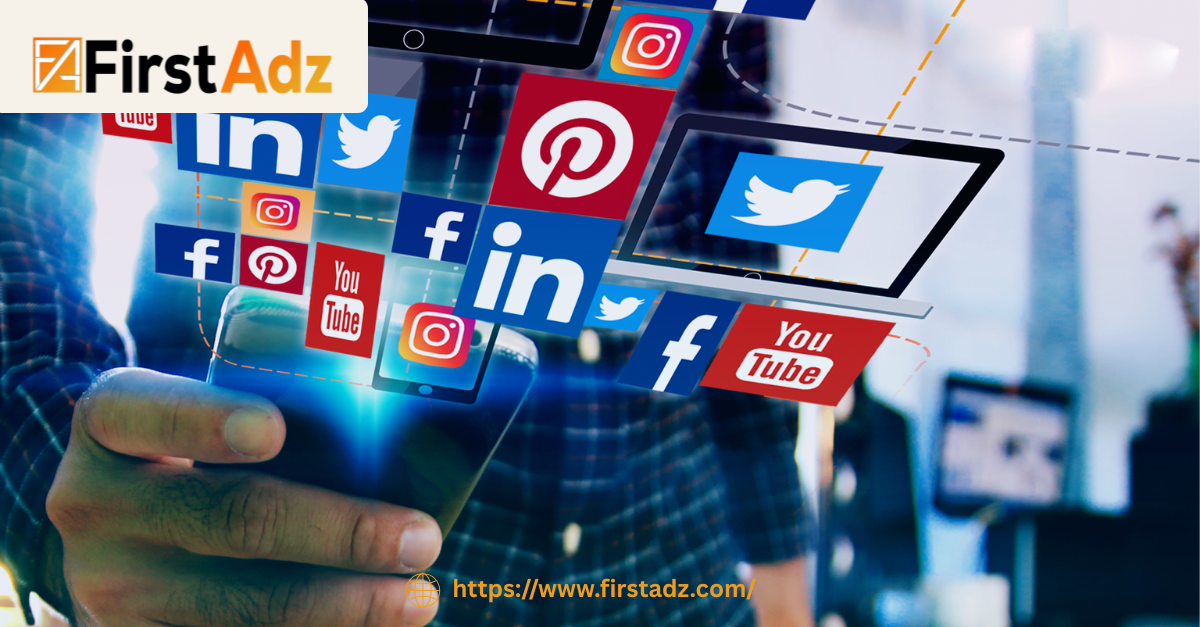
As social media continues to influence consumer behavior, businesses are investing heavily in automation technologies to streamline their marketing strategies. Scheduling tools help marketers maintain an active presence on platforms like Facebook, Instagram, LinkedIn, Twitter, and Pinterest without requiring constant manual effort. By automating repetitive tasks, companies can focus more on content creativity, audience analysis, and strategic campaign planning.
Importance of Social Media Scheduling and Automation in Modern Marketing
The growing importance of social media marketing has made automation tools a valuable resource for businesses of all sizes. Consistency plays a critical role in maintaining brand credibility and building audience trust. Posting content regularly helps businesses stay relevant and ensures their brand remains visible to potential customers. Social media automation tools allow marketers to plan content calendars in advance, ensuring that posts are published at optimal times for maximum engagement.
Another major advantage is time management. Marketing teams often handle multiple responsibilities, including content creation, analytics, customer interaction, and campaign management. Automation tools reduce manual workload by scheduling posts, managing multiple accounts from a single dashboard, and providing real-time performance tracking. This efficiency helps marketers allocate more time to creative strategies and customer relationship building.
Additionally, automation tools improve audience targeting and engagement. Many scheduling platforms provide insights into user behavior, engagement patterns, and peak activity times. By analyzing this data, businesses can create more personalized and targeted content strategies, increasing customer interaction and improving conversion rates.
Popular Features of Social Media Tools for Scheduling and Automation
Modern Social Media Tools for Scheduling and Automation offer a wide range of features designed to simplify content management and marketing workflows. One of the most valuable features is bulk scheduling, which allows marketers to upload and schedule multiple posts across different platforms simultaneously. This functionality helps maintain consistent posting schedules and saves significant time.
Another important feature is content calendar management. These tools provide visual calendars that help marketers organize campaigns, track posting schedules, and maintain content balance across platforms. Content calendars ensure that brands maintain a mix of promotional, educational, and engagement-focused posts, improving audience retention and brand credibility.
Automation tools also include performance analytics and reporting features. Marketers can track engagement metrics such as likes, shares, comments, reach, and click-through rates. These insights help businesses evaluate campaign effectiveness and optimize future content strategies. Some advanced tools also provide competitor analysis and trend monitoring, enabling businesses to stay ahead in the competitive social media landscape.
Furthermore, many social media automation platforms offer collaboration features. Marketing teams can assign roles, review content, approve posts, and manage workflows efficiently. This feature is particularly useful for large organizations and agencies managing multiple client accounts.
Benefits of Using Social Media Automation Tools for Businesses
One of the biggest benefits of using social media automation tools is improved productivity. By automating repetitive tasks such as posting, monitoring, and reporting, businesses can focus more on creative content development and strategic marketing planning. This increased efficiency allows companies to scale their marketing efforts without increasing operational workload.
Another significant advantage is improved brand consistency. Automation tools ensure that content is published regularly and aligns with brand messaging and tone. Consistent posting helps businesses build strong brand recognition and maintain audience trust.
Social media automation also supports better audience engagement. Scheduling tools allow businesses to post content during peak engagement hours, increasing the chances of reaching larger audiences. Some tools also offer automated responses and chatbot integration, improving customer interaction and providing instant support to users.
Additionally, automation tools help businesses maintain global marketing strategies. Brands targeting international audiences can schedule posts according to different time zones, ensuring content reaches audiences at the most appropriate times. This feature is particularly beneficial for multinational businesses and e-commerce platforms.
Challenges and Limitations of Social Media Automation Tools
Despite their numerous advantages, social media automation tools have certain limitations. Over-automation can reduce personal interaction and authenticity, which are essential elements of social media marketing. Audiences often prefer genuine engagement rather than automated responses. Businesses must balance automation with real-time interaction to maintain strong customer relationships.
Another challenge is content quality. While automation tools simplify scheduling, they cannot replace human creativity and storytelling abilities. Marketers must ensure that automated posts remain engaging, relevant, and aligned with audience preferences. Regular monitoring and content updates are necessary to maintain marketing effectiveness.
Additionally, improper scheduling or technical errors can lead to posting outdated or irrelevant content. Businesses must carefully review and monitor automated posts to avoid potential marketing mistakes. Data security is another important consideration, and companies should use trusted automation platforms that protect sensitive business information.
How Social Media Tools Improve Marketing Strategy and ROI
The use of Social Media Tools for Scheduling and Automation significantly improves marketing performance and return on investment. Automation tools provide data-driven insights that help marketers understand audience behavior, content performance, and campaign effectiveness. These insights enable businesses to optimize marketing strategies and allocate resources more effectively.
Automation tools also support integrated marketing campaigns. Businesses can coordinate social media marketing with email campaigns, influencer marketing, and content marketing strategies. This integration creates a unified brand presence across multiple digital platforms, improving customer engagement and brand awareness.
Furthermore, automation tools help businesses maintain consistent brand communication during product launches, promotions, and seasonal campaigns. By scheduling posts in advance, companies can execute well-planned marketing campaigns that deliver maximum impact and customer reach.
Future Trends in Social Media Scheduling and Automation
The future of social media automation is expected to involve advanced artificial intelligence and predictive analytics. AI-driven automation tools will analyze audience behavior, recommend content ideas, and automatically adjust posting schedules based on engagement patterns. This advancement will further enhance marketing efficiency and personalization.
Integration with voice technology, augmented reality, and video marketing is also expected to grow. Automation tools will likely support advanced multimedia content creation and real-time audience interaction. Businesses that adopt these innovative technologies will gain a competitive advantage in digital marketing.
Additionally, social media automation platforms will continue to focus on enhanced collaboration features, data security, and cross-platform integration. As social media marketing becomes more complex, automation tools will play a crucial role in helping businesses manage their digital presence effectively.
Conclusion
In conclusion, Social Media Tools for Scheduling and Automation have revolutionized digital marketing by simplifying content management, improving productivity, and enhancing audience engagement. These tools allow businesses to maintain consistent brand communication, optimize marketing campaigns, and analyze performance metrics efficiently. While automation cannot replace human creativity and personal interaction, it significantly enhances marketing efficiency when used strategically. As social media continues to evolve, businesses must adopt advanced automation technologies to stay competitive and maintain strong online visibility. Companies like FirstAdz are leveraging modern social media automation strategies to help brands achieve sustainable growth, improved engagement, and long-term marketing success.




Write a comment ...